How real-world operational experience can help you avoid costly communication mistakes before your next project.
Every Communication System Starts With a Decision
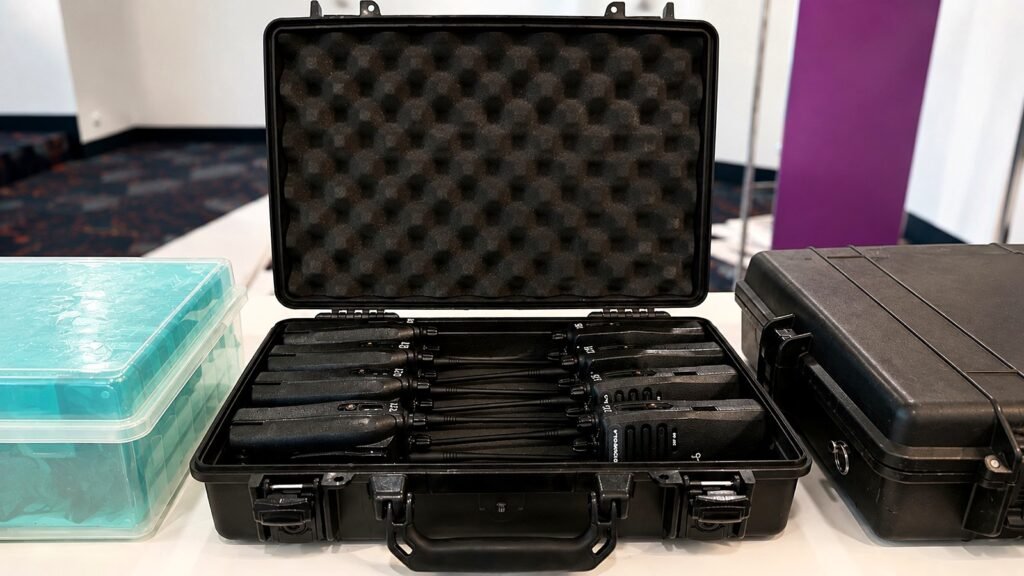
If you are wondering whether you should buy or rent two-way radios, the answer depends far less on the radios themselves than on the way your operation actually works.
“Should we buy radios or should we rent them?”
After supporting film productions, destination weddings, corporate events, hospitality operations and temporary mission-critical deployments throughout Costa Rica, we have learned that the equipment itself is only part of the decision.
Whether to buy or rent is rarely the first decision. The first decision is understanding how your operation actually works.
A professional communication system should be designed around the operation, its users and its environment—not simply around a particular radio model.
A Lesson We Learned the Hard Way
Years ago, during the first week of a four-week film production, ten of our radios ended up at the bottom of a swimming pool.
The radios could be replaced. The lost production time could not, and the production schedule could not wait.
That experience completely changed the way we design temporary communication systems.
From that day forward, we stopped asking:
“How many radios does this project need?”
Instead, we began asking:
“What happens if something unexpected occurs?”
Every professional communication system should include redundancy, backup equipment and a contingency plan, because real operations rarely go exactly as planned.
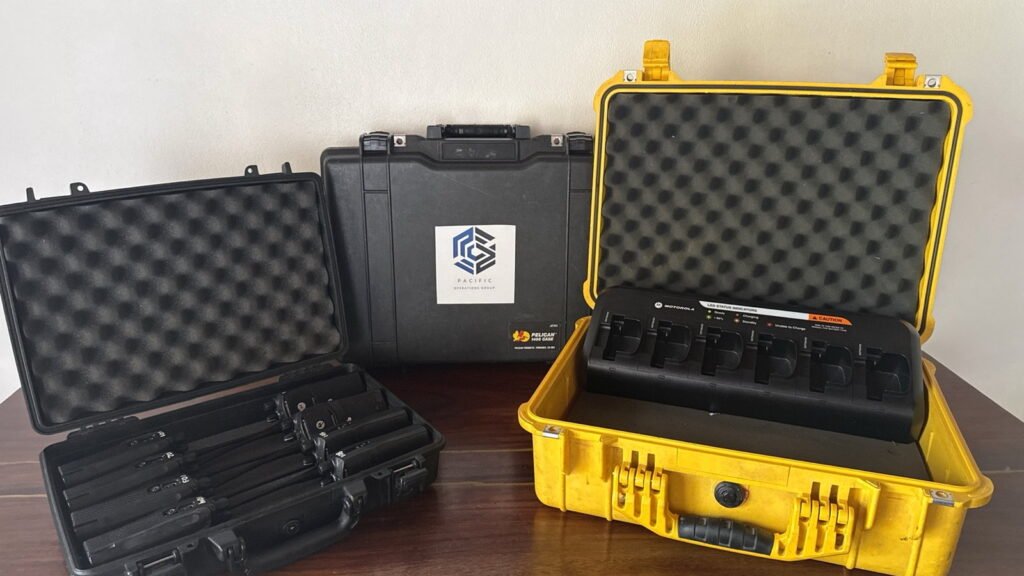
Buying Equipment Is Only the Beginning of a Professional Two-Way Radio System
Owning equipment is not always the most economical option. Operational flexibility can sometimes have greater value than ownership, particularly when communication requirements change from one project to another.
One of the most valuable lessons we have learned came from our own investment decisions.
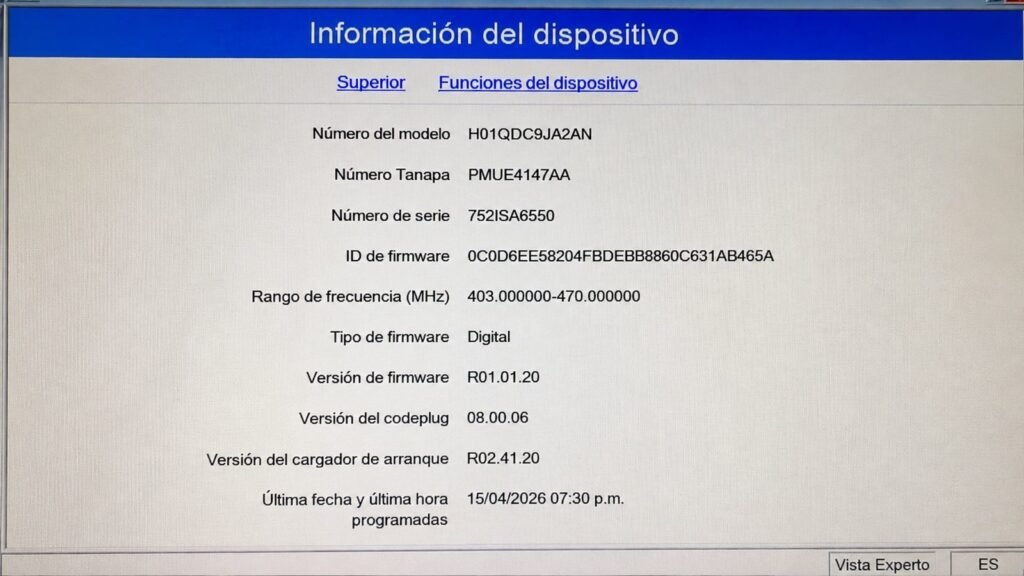
Years ago, we invested in a radio platform that appeared to be an excellent long-term choice. The equipment performed well, the supplier was reputable, and at the time every indicator suggested it was the right decision.
Several years later, batteries became difficult to obtain, chargers became harder to source, and replacement parts gradually disappeared from the market.
The lesson was clear: when you purchase communication equipment, you are investing in an entire ecosystem—not just a radio.
Long-term manufacturer support, battery availability, accessories, programming capability and replacement parts can ultimately be more important than the original purchase price.
When Buying Two-Way Radios Makes Sense
Buying can be the right decision when radio use is frequent, predictable and long-term. Organizations with stable communication requirements, trained personnel and the ability to manage batteries, chargers, programming, maintenance and replacement inventory may benefit from owning their radio fleet.
Ownership can also make sense when the same equipment is used continuously, the operating environment is well understood and the organization has the internal resources to maintain the system throughout its expected lifecycle.
The important point is to evaluate the complete equipment ecosystem—not simply the purchase price of the radios. Manufacturer support, battery availability, accessories, replacement parts, programming capability and long-term platform support should all be considered before investing.
Sometimes Renting Is the Better Investment
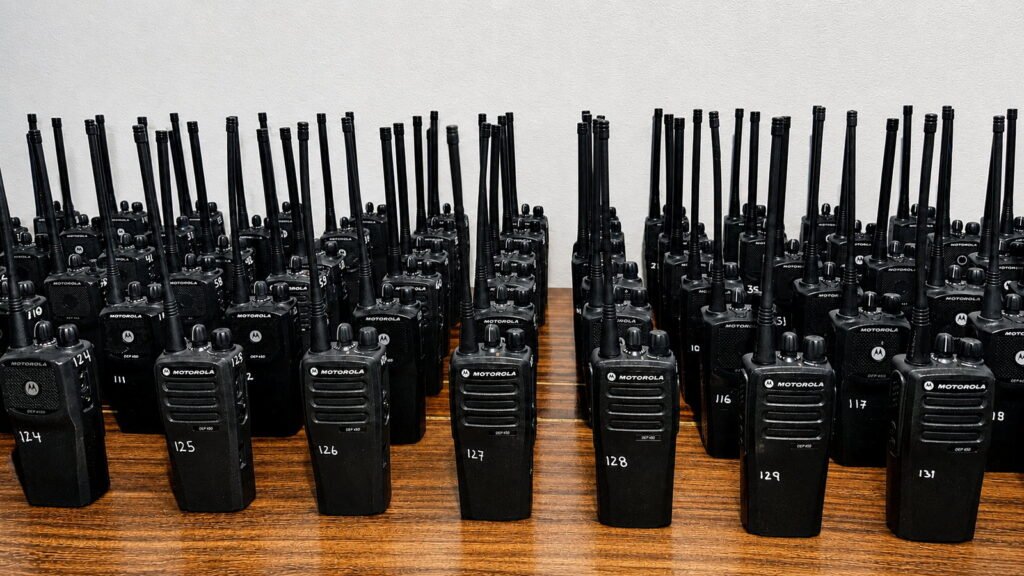
When deciding whether to buy or rent two-way radios, renting can make more sense when communication requirements change from one project to another.
An organization may need ten radios for one operation, thirty for another and no equipment at all for several weeks. Temporary productions, events and field deployments can also change in size with very little notice.
In those situations, ownership creates responsibilities beyond the original purchase price. Batteries, chargers, accessories, programming, maintenance, replacement parts, storage and backup equipment all become part of the long-term cost of maintaining a radio fleet.
Renting allows temporary operations to scale a communication system according to the actual requirements of the project rather than maintaining equipment that may spend much of its time in storage.
The better investment is therefore not automatically buying or renting. It is the option that best matches the frequency, duration, scale and operational risk of the work being performed.
Every Operation Is Different
The decision to buy or rent two-way radios should begin with understanding the operational requirements of the project.
- Is this a one-day event or a four-month operation?
- Will the system grow during production?
- Will it operate indoors, outdoors or across multiple environments?
- Does the operation require dedicated or coordinated communication channels?
- Will existing radios need to be integrated?
- Who will charge and manage the batteries?
- Who will manage the radio inventory?
- Who will respond if equipment fails?
- Who will program the radios?
- What happens if additional radios are needed tomorrow?
The answers to those questions are usually far more important than the radio model itself.
What We Believe
We do not begin by asking how many radios you need. We begin by understanding your operation.
Sometimes buying is the right decision. Sometimes renting is the smarter investment. And sometimes integrating an existing fleet is the best solution.
Our first responsibility is not selling equipment. It is helping organizations make the right operational communication decision before a project begins.
Lessons Learned
✔ Never choose a communication system based only on equipment.
✔ Consider long-term manufacturer and product support before purchasing radios.
✔ Hidden costs usually appear after the initial purchase.
✔ Temporary operations require scalability.
✔ Every professional communication system should include backup equipment and contingency planning.
✔ Decide whether to buy or rent two-way radios only after understanding how the operation actually works.
✔ The best communication solution is the one that fits the operation.
Continue Learning
Continue expanding your knowledge with practical guidance based on real-world communication experience.
For a broader overview of professional radio systems, technologies and operational considerations, explore our Professional Two-Way Radio Guide for Mission-Critical Communications.
Need Help Designing the Right Communication System?
Every project is different.
Before recommending equipment, we take time to understand how your production, event or operation actually works.
Every temporary communication system should be designed around the operation, the people, and the environment—not around the radio model.
About Pacific Operations Group
Pacific Operations Group is a Costa Rica-based organization specializing in the design and deployment of temporary mission-critical communication systems.
Through the Pacific Operations Group Knowledge Center, we share real operational experience, technical guidance and practical lessons learned from supporting film productions, destination weddings, corporate events, hospitality operations, logistics and other complex field deployments.
When a project requires equipment, programming, deployment or operational support, our Renta Radios Portátiles division provides professionally designed, programmed, tested and deployment-ready two-way radio systems tailored to the requirements of each operation.
Pacific Operations Group
Architect of Temporary Mission-Critical Communication Systems
Knowledge Center
Professional knowledge based on real operational experience.
Leave a Reply